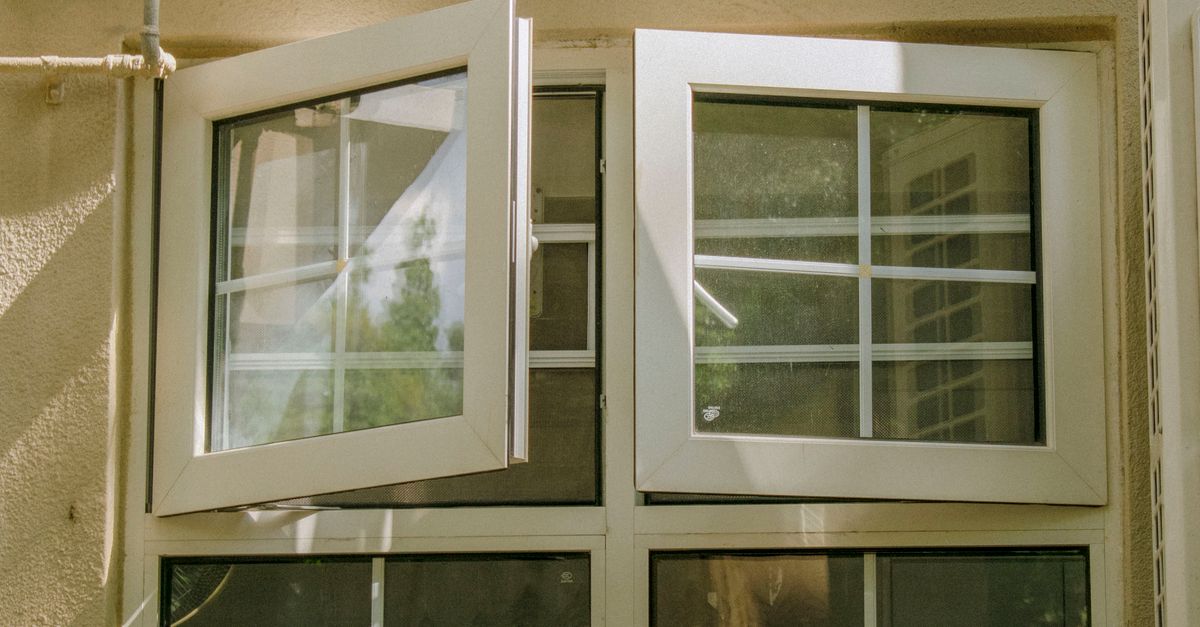
Detailed Process for Installing Energy-Efficient Double Glazed Windows
Table Of Contents
Installing the Double Glazed Windows
Before beginning the installation, ensure that you have all necessary tools and materials at hand. This typically includes a level, shims, screws, a screwdriver, and a caulking gun. Begin by removing the old window frame carefully, ensuring not to damage surrounding areas. Once the frame is clear, check the dimensions of the opening. Adjustments may be necessary to ensure a snug fit for the new double-glazed window.
Position the window into the opening from the outside, taking care to keep it level. Use shims to align the window and maintain its position as you secure it in place. Fasten it with screws into the existing frame, ensuring that it is tightly sealed. After securing the window, proceed with applying weather stripping and caulking to reinforce the seal around the edges. This step is critical in ensuring that the window operates efficiently and reduces any energy loss.
Techniques for Proper Installation
Proper installation of double glazed windows begins with ensuring that the frame is level and square. Use a spirit level and measuring tape to check alignment. Begin by securing the window in place with temporary fasteners to maintain its position during the installation process. This initial setup is crucial as even minor misalignments can lead to issues with sealing and insulation later on.
Once the window is aligned, it's essential to utilise appropriate shims around the frame. This technique provides additional support and helps achieve a snug fit against the wall. Ensure that the window is installed with a slight tilt towards the outside to facilitate drainage of any water that may enter. After shimming, proceed with the permanent fastening, ensuring that screws or nails are not overtightened, which can distort the frame and compromise the window’s effectiveness.
Sealing and Insulating the Windows
Proper sealing and insulation are essential components of installing double glazed windows. Before applying any sealant, ensure that the window frame is clean and free from dust and debris. Use a high-quality, weather-resistant sealant that is suitable for your specific climate conditions. Carefully apply the sealant around the edges of the window frame. This will help to prevent air and water leaks, enhancing the energy efficiency of the installed windows. It is also a good idea to double-check that the windows are aligned correctly during the sealing process.
Insulation plays a crucial role in maintaining a comfortable indoor environment. Consider using insulation foam around the window frame for additional thermal efficiency. This foam helps to fill any gaps that may have been created during installation, further reducing heat loss or gain. After applying the foam, smooth it down to create a tight seal. Allow sufficient drying time before attempting to paint over the foam or apply additional finishes. Properly sealed and insulated windows can significantly enhance the overall performance of your home's energy efficiency.
Importance of Weatherproofing
Weatherproofing is essential for enhancing the energy efficiency of double-glazed windows. Gaps or improper seals can lead to drafts, moisture infiltration, and decreased insulation effectiveness. By ensuring that windows are properly sealed and insulated, homeowners can significantly reduce their energy costs. This not only contributes to a comfortable indoor environment but also extends the life of the windows.
In addition to energy savings, effective weatherproofing protects the home's structural integrity. Moisture can lead to mould growth, wood rot, and other damage over time. By investing time and resources in proper sealing and insulation, homeowners safeguard their property against these potential issues. This precaution is especially crucial in regions with heavy rainfall or extreme weather conditions.
Cleaning Up After Installation
After the installation process, it is crucial to ensure the area is left clean and tidy. Remove any debris, such as packaging materials, old window parts, and dust that may have accumulated during the installation. Using a sturdy rubbish bag, dispose of these materials properly. This not only helps maintain a neat environment but also promotes safety, reducing the risk of accidents from tripping over loose items or sharp edges.
Additionally, any surfaces exposed to dirt during the installation should be carefully cleaned. Use a damp cloth to wipe down the frames and surrounding areas to remove fingerprints, dust, and smudges. For glass surfaces, a suitable glass cleaner will enhance visibility and shine, making the new double-glazed windows a feature of pride. Taking these steps ensures your installation is complete and that your living space is refreshed and inviting.
Safe Disposal of Old Materials
After removing the old windows, it’s crucial to consider the proper disposal of materials to avoid environmental harm. Many components, such as glass and framing materials, may be recyclable. Check local council regulations for guidance on recycling options available in your area. Some recycling facilities accept window glass, while others may handle plastics and metal from the frames.
If recycling isn’t an option, ensure that all waste is disposed of safely. Avoid simply throwing materials into general waste bins. Instead, take the time to separate recyclables and dispose of non-recyclable items at an appropriate waste facility. Additionally, consider contacting local waste management services for guidance on large item disposal or special collections that may be available in your community.
FAQS
What are double glazed windows?
Double glazed windows consist of two panes of glass separated by a gap filled with gas, providing better insulation and energy efficiency compared to single-pane windows.
Why should I choose energy-efficient double glazed windows?
Energy-efficient double glazed windows help to reduce energy bills by providing superior insulation, keeping your home warmer in winter and cooler in summer, while also reducing noise pollution from outside.
How long does the installation of double glazed windows typically take?
The installation of double glazed windows can take anywhere from a few hours to a couple of days, depending on the number of windows being installed and the complexity of the project.
What techniques can be used for properly installing double glazed windows?
Proper installation techniques include ensuring accurate measurements, using the right tools, applying sealant correctly, and checking for level and alignment throughout the installation process.
How do I ensure my double glazed windows are properly sealed and insulated?
To ensure proper sealing and insulation, use high-quality weatherstripping, check for gaps or leaks, and consider professional installation to guarantee a snug fit and optimal performance.
Related Links
Key Phases in the Installation of Double Glazed WindowsStepwise Instructions for Fitting Double Glazed Windows
Complete Manual for Installing Double Glazed Windows Successfully
A Beginner's Guide to Double Glazed Window Installation in Perth
Installing Double Glazed Windows: A Detailed Procedure
How to Properly Fit Double Glazed Windows in Your Home
Comprehensive Guide to Installing Double Glazed Windows in Perth
Your Step-by-Step Approach to Double Glazed Window Fitting