Complete Manual for Installing Double Glazed Windows Successfully
Table Of Contents
Sealing the Windows
The success of a double glazed window installation largely depends on effective sealing. Ensuring that the windows are properly sealed prevents issues such as drafts and moisture penetration. A good seal also contributes to the overall energy efficiency of the home. Here, the importance of preparing the surfaces cannot be overstated. Clean and dry surfaces guarantee that the sealant adheres properly, providing a robust barrier against the elements.
Choosing the right type of sealant plays a crucial role in achieving a successful installation. Silicone-based sealants are commonly preferred due to their flexibility and durability, offering excellent adhesion to various materials. When selecting a sealant, consider the specific requirements of the job, such as exposure to UV rays and temperature fluctuations. Application techniques should also be employed to avoid air pockets, ensuring that the seal remains intact for years to come.
Choosing the Right Sealant
Selecting the appropriate sealant is crucial for ensuring the longevity and performance of double-glazed windows. Look for sealants specifically designed for window applications, as these often possess the flexibility and adhesion properties required to withstand changing weather conditions. Silicone-based sealants are popular due to their durability and resistance to moisture. However, polyurethane sealants offer excellent bonding capabilities and can handle structural movement better.
Consider the environmental conditions in your area when choosing a sealant. In regions with high humidity or temperature fluctuations, it is advisable to opt for sealants that are waterproof and can endure extreme weather changes. Additionally, pay attention to the curing time of the sealant. Some products cure faster than others, which can affect the installation timeline. Reading manufacturer guidelines and consulting product reviews can help make a more informed choice.
Installing the Double Glazed Units
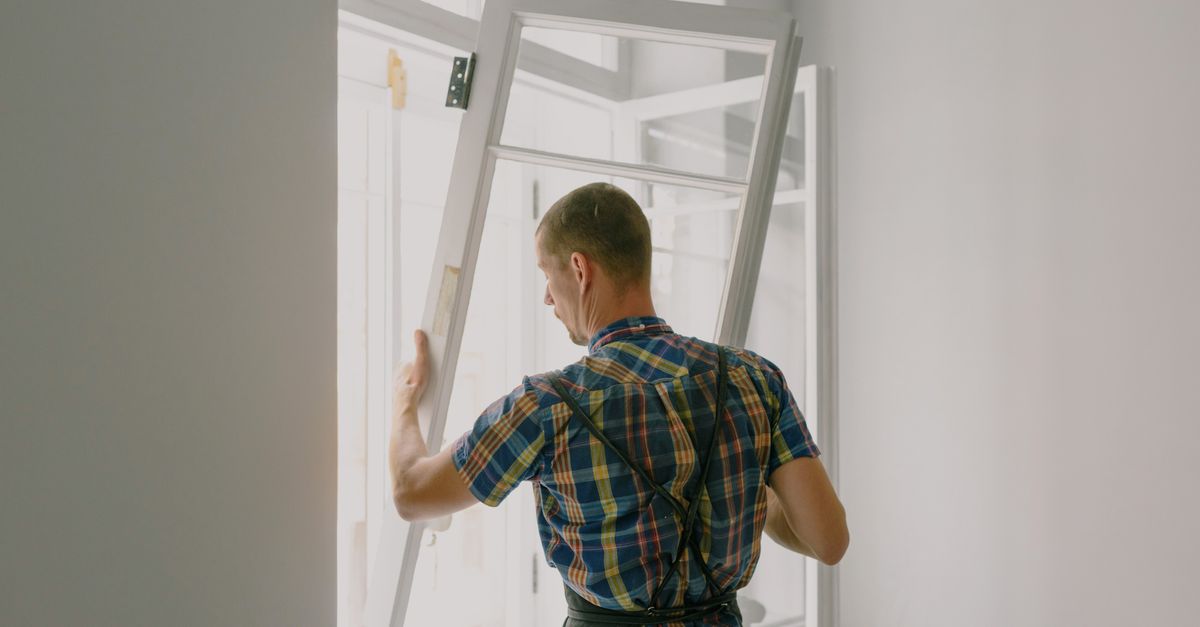
Begin by preparing the opening of the window frame. This involves ensuring that the space is free of dust and debris, allowing for a snug fit. Carefully place the double glazed unit into the frame, ensuring it sits evenly and securely. It’s essential to position the unit so that it is level and square, which may require minor adjustments. Use wooden packers if necessary to achieve the right positioning, as this will help maintain an even gap around the unit.
Once the unit is in place, you will need to secure it within the frame. Use suitable fixings to hold the double glazed unit securely, avoiding any pressure that might compromise the integrity of the glass. Check that the unit remains level throughout the fixing process to ensure optimal performance. After securing the unit, it’s advisable to inspect all corners for any noticeable gaps. This meticulous approach will aid in achieving a tight seal when you move on to the sealing stage.
Proper Techniques for Insertion
Inserting double-glazed units requires precision and care to ensure an effective fit within the frame. Begin by positioning the unit carefully into the bottom channel of the frame. Use a few wooden blocks or spacers to keep the unit stable. This allows for better alignment and prevents any accidental shifts during the installation. Gently push the unit into place while ensuring that it remains level and sits evenly within the frame.
After positioning, securing the unit with packers will help maintain the correct spacing while the sealant is applied. It is crucial to check for drafts and gaps as these can impact the thermal efficiency of the windows. Once satisfied with the alignment, you can proceed with the sealing process. Ensuring that both the frame and the double-glazed unit are clean and free of debris improves adhesion and enhances overall performance.
Finishing Touches
To achieve a polished final look after the installation, caulking around the edges of the double glazed windows is essential. This step not only enhances the aesthetic appeal but also provides additional insulation and weatherproofing. Choosing a high-quality caulk designed for exterior use will ensure longevity, preventing issues related to moisture or air leaks. Apply the caulk evenly along the seams, using a caulking gun for precision. Smooth out the application with a damp finger or a dedicated tool, creating a clean line.
Adding trim or moulding around the window frames can elevate the overall appearance of the installation. This decorative element can blend the new windows seamlessly with the existing architecture of your home. Select materials and finishes that complement the style of your property. Once the caulk has fully cured, secure the trim with appropriate fasteners, ensuring a snug fit to avoid gaps that could compromise insulation. Finishing touches transform the installation from functional to visually appealing.
Caulking and Trim Application
Once the double glazed units are securely installed, the next step involves applying caulk to ensure a weather-tight seal. It's crucial to use a high-quality, exterior-grade caulk that is compatible with both the window frame material and the surrounding structure. Begin by cleaning the area where the caulk will be applied to remove any dust or debris. Use a caulking gun for even application, maintaining a consistent bead along the perimeter of the window to prevent moisture infiltration and air leaks.
After the caulking is complete, attention turns to the trim. This is not just for aesthetic appeal but also plays an important role in enhancing the overall durability of the installation. Carefully measure and cut the trim pieces to fit snugly around the window. Secure them using appropriate fasteners, ensuring a tight fit without gaps. Once installed, consider painting or staining the trim to complement the existing decor. This final step will provide a polished look while also protecting the wood from weather-related wear and tear.
FAQS
What are double glazed windows?
Double glazed windows consist of two panes of glass separated by a space filled with gas, providing better insulation and energy efficiency compared to single glazed windows.
How do I choose the right sealant for double glazed windows?
When choosing a sealant, consider factors such as the materials being sealed, weather resistance, and compatibility with glass. Silicone and polyurethane sealants are commonly recommended for their durability and flexibility.
What are the proper techniques for inserting double glazed units?
Ensure the frame is clean and free of debris, gently lower the double glazed unit into place, and use spacers to maintain an even gap. Always check for level and plumb alignment before securing the unit.
How can I finish the installation of double glazed windows?
Finishing touches involve applying caulk around the edges of the window to seal gaps and prevent air leaks. You may also add trim or moulding for a polished look.
Is it necessary to hire a professional for double glazing installation?
While DIY installation is possible, hiring a professional can ensure proper installation and sealing, which can enhance energy efficiency and extend the lifespan of your windows.
Related Links
Key Phases in the Installation of Double Glazed WindowsEssential Steps for Double Glazed Window Installation
Detailed Process for Installing Energy-Efficient Double Glazed Windows
Stepwise Instructions for Fitting Double Glazed Windows
A Beginner's Guide to Double Glazed Window Installation in Perth
Installing Double Glazed Windows: A Detailed Procedure
How to Properly Fit Double Glazed Windows in Your Home